
What Are The Top 10 Brain Injury Awareness Facts?
A Traumatic Brain Injury (TBI) is often called an invisible wound because it changes how the brain works but usually does not show up on regular medical scans. You do not have to lose consciousness to have a concussion, and symptoms like dizziness or brain fog can show up days after the injury.
If you are searching for brain injury awareness facts, you might be facing something that feels scary or confusing. Recognizing the signs early and knowing what to do next can help you feel less worried and support a better recovery. Here are 10 key facts to know.
The 10 Essential Brain Injury Awareness Facts
- Definition: A TBI is an injury that changes how the brain works, usually caused by a bump, blow, jolt, or an object that goes through the skull.
- Severity: A concussion is called a “mild TBI” in medical terms, but “mild” describes the type of injury, not how strong the symptoms might feel.
- Consciousness: You do not have to lose consciousness to suffer a concussion.
- Delayed Onset: Symptoms (headache, mood changes, sleep issues) can start immediately or appear hours to days later.
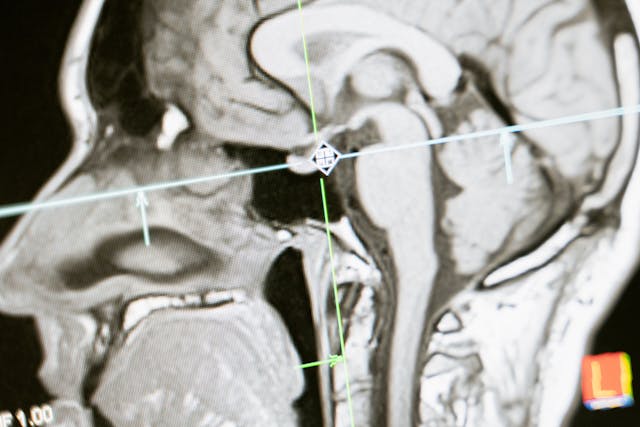
- Invisible Injury: Most concussions do not show up on CT or MRI scans because these look for bleeding, not functional damage.
- Prevalence: In 2020, the CDC reported about 214,110 hospitalizations related to TBI.
- Common Causes: Falls are a leading cause of TBI, particularly affecting older adults.
- Risk Factors: Adults over age 75 are at the highest risk for serious outcomes and hospitalization after a TBI.
- Recovery Timeline: Most people start to feel better within days or weeks, but some may have symptoms that last longer and need more help.
- Rehabilitation: Targeted rehab is effective for persistent issues like dizziness, vision strain, and balance problems.
What Common Misconceptions Delay TBI Recovery?
Some of the most harmful myths are that a “normal” scan means you are okay, or that you should just keep going despite the pain. These beliefs can stop people from getting the care, rest, and rehab they need to recover safely. This is why it’s crucial to understand the most common brain injury awareness facts and use them to educate yourself.
Myth 1: “If the scan is normal, nothing is wrong.”
A normal CT or MRI can be comforting because it shows there is no dangerous bleeding or skull fracture. However, it does not mean there is no concussion. A concussion is a functional injury that changes how the brain works, even if the scan looks normal.
Myth 2: “It’s only a concussion. Just push through.”
Trying to ignore symptoms and keep going is often the worst thing you can do. Your brain needs some rest, then a slow and careful return to normal activities. Ignoring symptoms can make recovery take much longer.
Myth 3: “It’s all anxiety.”
Stress can make symptoms worse, but problems like dizziness, vision changes, and tiredness are real physical issues. A quality neurological and bedside structural evaluation checks everything, including assessments of sleep, balance, and how much activity you can handle, instead of just blaming stress.
When Should You Seek Emergency Care?
You should seek emergency care immediately if worsening headaches, repeated vomiting, seizures, or increasing confusion follow a head injury. While most concussions are not life-threatening, these “Danger Signs” indicate a potential medical emergency that requires urgent intervention.
The “Danger Signs” Checklist
If someone has sustained a head impact or a hard body jolt, watch for these red flags:
• Headache: Pain that gets steadily worse and does not go away.
• Physical: Repeated vomiting, severe nausea, or seizures (convulsions).
• Coordination: Slurred speech, weakness, numbness, or loss of balance.
• Alertness: Increasing drowsiness, inability to wake up, or severe confusion.
• Vision: One pupil larger than the other or double vision.
Important Note: Keep a close watch on older adults, very young children, and anyone taking blood thinners after any fall or head injury, even if they seem okay at first.
How Can You Prevent Brain Injuries in Daily Life?
While not every injury is preventable, you can significantly lower risks by securing rugs and lighting at home, using seatbelts on the road, and strictly following return-to-play protocols in sports. Prevention is particularly critical for older adults, where falls are the leading cause of TBI hospitalizations.
At Home (Fall Prevention)
Simple changes at home can make a big difference:
• Clear Pathways: Remove clutter and secure loose rugs.
• Lighting: Improve lighting in hallways and stairwells.
• Support: Add handrails or grab bars in bathrooms.
• Health: Keep eyeglass prescriptions updated and review medications with a clinician if you experience dizziness or low blood pressure.
On the Road
• Restraints: Use seatbelts on every trip and ensure children are in the correct car seats or boosters.
• Stay Focused: Avoid distracted driving entirely.
• Helmets: Always wear a helmet when riding bikes, scooters, or motorcycles. Helmets mainly protect against skull fractures and severe TBI, and are an important safety measure.
Sports and Recreation
• Patient Education: Learn the signs of concussion and create a culture where athletes feel safe reporting symptoms.
• Sports Protocols: Athletes should be taken out of play and get medical clearance before returning. These steps are essential for safety.
What Does TBI Recovery Actually Look Like?
Recovery is different for everyone, but usually includes steps to stabilize, rebuild, and retrain the brain. This means pacing yourself, slowly increasing activity, and getting the right rehab. Many people recover in a few weeks, but others may have ongoing symptoms, such as light sensitivity, chronic pain, headaches, or trouble sleeping, and need a clear care plan.
A helpful recovery mindset focuses on three pillars:
Pacing and Graded Activity
It’s important to avoid the “boom and bust” cycles of activity where you do too much one day and crash the next.
• Pacing: Break tasks into manageable chunks.
• Graded Activity: Slowly increase walking, daily tasks, and screen time based on your tolerance, not just a calendar date.
Targeted Rehabilitation
If you stop making progress, it does not mean something is wrong with you. It just means you might need a new plan.
• Vestibular Therapy: Treats dizziness and motion sensitivity.
• Visual Rehab: Addresses eye strain and focusing issues.
• Neck Rehab: Vital when whiplash contributes to headaches.
Sleep and Mood Support
Both sleep and emotional health strongly affect symptoms. Calming the nervous system is often a prerequisite for physical healing.
What Does a Good Concussion Evaluation Include?
A thorough concussion checkup includes a detailed review of your symptoms and tests of balance, vision, and neck movement. If your symptoms last more than a few weeks or you have had more than one injury, you need to find an experienced provider who goes beyond the basic exam and performs an in-depth evaluation.
A solid evaluation typically includes:
• Daily Function Review: How is the injury affecting work, sleep, and driving?
• Vestibular Screening: Checking for dizziness or balance issues.
• Vision Screening: Testing eye tracking, focus, and strain.
• Neck Screening: Whiplash often mimics or worsens concussion symptoms.
• Caregiver Support: Acknowledging the heavy load caregivers carry and providing resources to reduce isolation.
How Can The Neural Connection Help?
At The Neural Connection, we support patients across Minnesota with personalized neurologic rehabilitation that targets the specific root causes of lingering dizziness, headaches, and balance issues. We are known for taking the time to listen and treating you with genuine empathy, especially if you have felt dismissed elsewhere.
Your care isn’t one-size-fits-all. At The Neural Connection, we build personalized treatment plans based on your unique exam findings and goals. And if you or a loved one is struggling to return to normal activities, a thorough evaluation can help identify which systems are involved and what reasonable next steps are.
But don’t take our word for it… Just look at our 130+ 5-Star Google Reviews from satisfied patients as a testament to our dedication to finding solutions.
If you’re still dealing with brain injury symptoms, we would love to help you!
Click here for a FREE 30-Minute Consultation
Brain Injury Awareness Facts & Frequently Asked Questions (FAQ)
What is the difference between a concussion and a TBI?
A concussion is technically classified as a “mild Traumatic Brain Injury” (mTBI), but in many situations, there is nothing “mild” about it. The mild classification means that a TBI and a concussion are the same type of injury but differ in severity. Both can affect thinking, mood, sleep, balance, and cause physical symptoms like headaches.
Can you have a concussion without hitting your head?
Yes, a hard jolt to the body (like whiplash in a car crash) can transmit force to the head, causing the brain to move inside the skull. This movement alone is sufficient to trigger concussion symptoms without direct impact.
How long do concussion symptoms usually last?
Many people improve within days to weeks, but recovery timelines vary widely. If symptoms aren’t improving or continue to disrupt daily life after a few weeks, it is critical to check in with a healthcare professional.
What are red flags after a head injury?
Emergency warning signs include worsening headache, repeated vomiting, seizures, major confusion, trouble staying awake, weakness/numbness, slurred speech, or uneven pupils. These require immediate emergency care.
Why do symptoms sometimes show up days later?
Symptoms may be delayed due to sleep disruption, the body’s stress response, neck strain, and the brain’s metabolic healing process. These delayed symptoms are real and still deserve medical attention.
What kind of rehab helps after a concussion or TBI?
Effective rehabilitation is customized but may include graded activity progression, vestibular therapy for dizziness, vision-focused rehab, and neck rehab. Support for sleep and symptom management is also a core component of recovery.
What should caregivers focus on first?
Caregivers should focus on safety, establishing simple routines, reducing sensory overload, and tracking symptom patterns. It is also vital for caregivers to get support for themselves through community resources and education.
*Note: The information provided in this article is for educational purposes only and does not constitute a doctor-patient relationship. Patients are advised to consult their medical provider or primary care physician before trying any remedies or therapies at home.
