
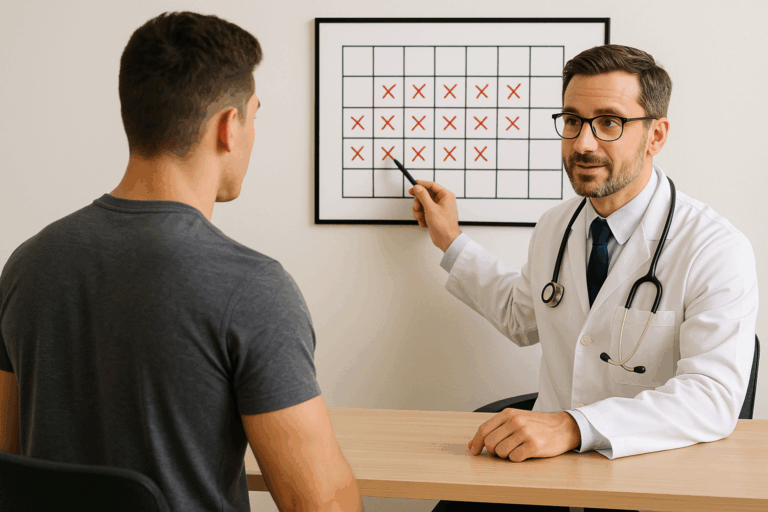
What Is a Concussion Protocol Timeline?
A concussion protocol timeline is a day-by-day, week-by-week roadmap that outlines when to rest, when to move, and when to resume full activity. Concussion protocol timelines are essential to achieve proper recovery, as concussions are a form of mild traumatic brain injury (mTBI). This timeline often blends medical science with lived experience to keep you safe from repeat injury and chronic symptoms. By mapping ideal milestones in advance, patients, providers, and caregivers can track progress and know when to seek extra help.
Why Every Timeline Must Be Personal
At The Neural Connection, we can attest that no two concussions heal in the same way. Age, gender, injury severity, sleep quality, migraine history, and even stress levels play a role in recovery. Women often report longer recovery times than men, and while younger athletes usually bounce back faster, they are more vulnerable to reinjury. The 2023 International Consensus on Concussion in Sport emphasizes an individualized, graduated plan rather than a one-size-fits-all approach.
Our goal with this article is to provide you with clinically relevant, evidence-based information to help you understand your personal concussion protocol timeline.
Factors That Slow or Speed Recovery
- Prior concussions
- Pre-existing migraines, anxiety, and ADHD
- Poor sleep hygiene
- Overexertion before symptoms resolve
- High emotional or academic load
- Underlying inflammation or metabolic disorders
- Excessive amounts of stress
Standard Concussion Protocol Timeline at a Glance
Below is a typical 14-day outline used by our neurologic rehabilitation team at The Neural Connection. Your path may be shorter or longer, so use this as a template for creating your personalized care plan.
First 48 Hours: Calm the Brain & Focus On Recovery
- Get adequate rest: limit screens, bright lights, and loud environments
- Short, quiet walks only if symptoms allow
- Hydration (with electrolytes)
- Consume healthy, balanced meals with quality fats and protein to stabilize blood sugar levels
- Listen to your body to understand how to manage symptoms
Days 3–7: Guided Activity
If symptoms have been gradually improving, then it’s time to start trying new activities to gauge overall function.
- Light aerobic exercise (5–10-minute stationary bike rides or walks) once symptom-free at rest
- Simple cognitive tasks (reading, homework) in 15-minute blocks
- Daily symptom check-ins with a professional (if needed)
- Continued focus on minimal stimulation via light and sound
- Persistent nutritional and dietary support to dampen inflammation
Week 2 and Beyond: Rebuild & Reassess
- Progressive aerobic activity, strength training, and sport-based drills, once again, pending symptoms during and after the activity
- Balance, vision, and vestibular therapy if symptoms persist
- Focus on adequate rest and sleep for further recovery
- Consider specialty referral if symptoms linger past 21 days
Post-Concussion Recovery Stages Explained
Many patients ask about the broader post-concussion recovery stages. We use four:
- Acute rest (0-2 days) – Protect and monitor for red flags and danger signs (like increasing symptoms, loss of consciousness, or slurred speech)
- Symptom-Limited Activity – Introduce light movement without triggering symptoms.
- Structured Rehabilitation – Target visual, vestibular, and cervical drivers of lingering issues.
- Full Participation – Return to unrestricted work, sport, or academics with confidence.
Return-to-Play Steps for Athletes
The CDC’s updated 6-Step return-to-play steps are now considered the gold standard for concussion recovery.
- Back to regular (non-sport) activities
- Light aerobic exercise
- Moderate activity with head movement
- Heavy, non-contact sport drills
- Full-contact practice
- Competition
Each step takes at least 24 to 48 hours to progress through. If symptoms flare, return to the previous step and focus on rest and recovery.
How Our Clinic Supports Your Concussion Protocol Timeline
At The Neural Connection, we tailor every concussion protocol to your specific needs. And since no two concussions are alike, no two treatment plans we create are ever alike.
We adhere to all current medical guidelines and best practices while also incorporating industry standards from various fields of study. By taking an integrative approach to treatment and rehabilitation, we can bring the best of all worlds into one center for healing.
Our concussion evaluations consist of:
- Same-day neuro-orthopedic examinations
- Individualized baseline testing and neuro-vestibular screening
- Specialized aerobic prescriptions rooted in the Buffalo Concussion Treadmill Test
- Manual therapies and myofascial treatments for cervical whiplash that often fuel headaches and migraine symptoms
- Personalized visual and vestibular treatments in-office and for at-home use
- Coordination with coaches, teachers, and employers so you re-enter life—not just athletics—safely
Our approach respects the latest science, which suggests that gradual activity, rather than prolonged isolation, speeds recovery while protecting mental health.
FAQ’s
1. How long does a concussion protocol timeline usually last?
Most athletes complete all steps within 10–14 days, but adults or those with prior concussions may need several weeks. As we’ve previously stated, the concussion protocol timeline will be different for each athlete.
2. What if my symptoms spike during the protocol?
Stop the activity, rest for 24-48 hours, and then resume at the previous symptom-free level. Persistent spikes warrant professional reassessment and objective testing via the Buffalo Concussion Treadmill Test.
3. Can I exercise while symptomatic?
Light, symptom-limited aerobic activity can be highly therapeutic and is endorsed by recent guidelines; however, it should never exacerbate symptoms. Exercise and movement are the quickest way to return to regular activity, but not at the sacrifice of flaring symptoms.
4. Do I need imaging before starting the timeline?
CT or MRI is only required if red-flag signs (worsening headache, vomiting, slurred speech, loss of consciousness, and overt neurological deficits) are present. Most concussions are clinical diagnoses and rarely show any findings via diagnostic testing. Just because your tests are normal doesn’t mean you’re in the clear.
5. Is this article medical advice?
No, this article is strictly for personal and educational purposes only. Always consult a qualified healthcare provider for personal recommendations. If you’re still dealing with concussion symptoms, reach out to our team at The Neural Connection for a free consultation!
Why a Personalized Concussion Protocol Timeline Matters
As you can see, traditional cookie-cutter approaches to treating concussions are outdated and no longer the medical standard. Because each injury is unique, every treatment program must be tailored accordingly.
And regardless of how the injury occurred, there’s no way to determine which type of treatment will work best until you’ve had a comprehensive examination performed.
If you’re ready for a personalized concussion protocol timeline, it’s time to contact our team of specialists.
Click the link below to schedule your consultation today.
Consultation Link
*Note: The information provided in this article is for educational purposes only and does not constitute a doctor-patient relationship. Patients should consult their medical provider or primary care physician before trying any remedies or therapies at home.
