
If you’re searching for motor vehicle accident treatment and feeling overwhelmed, frustrated, or still dealing with pain weeks or months later—you’re exactly who we help.
Many patients come to us after trying chiropractic, massage, injections, or medications—yet still struggle with:
Neck or back pain
Blurred vision or brain fog
Light sensitivity or fatigue
These symptoms may seem disconnected—but they’re often part of the same underlying issue, especially after a collision.
Most providers treat one symptom at a time. But the aftermath of an accident is rarely that simple. Your nervous system, neck, spine, and sensory systems may all be affected—and no one’s connecting the dots.
At The Neural Connection, we approach motor vehicle accident treatment differently. We evaluate how the injury impacted your brain, body, and balance—and treat them together.
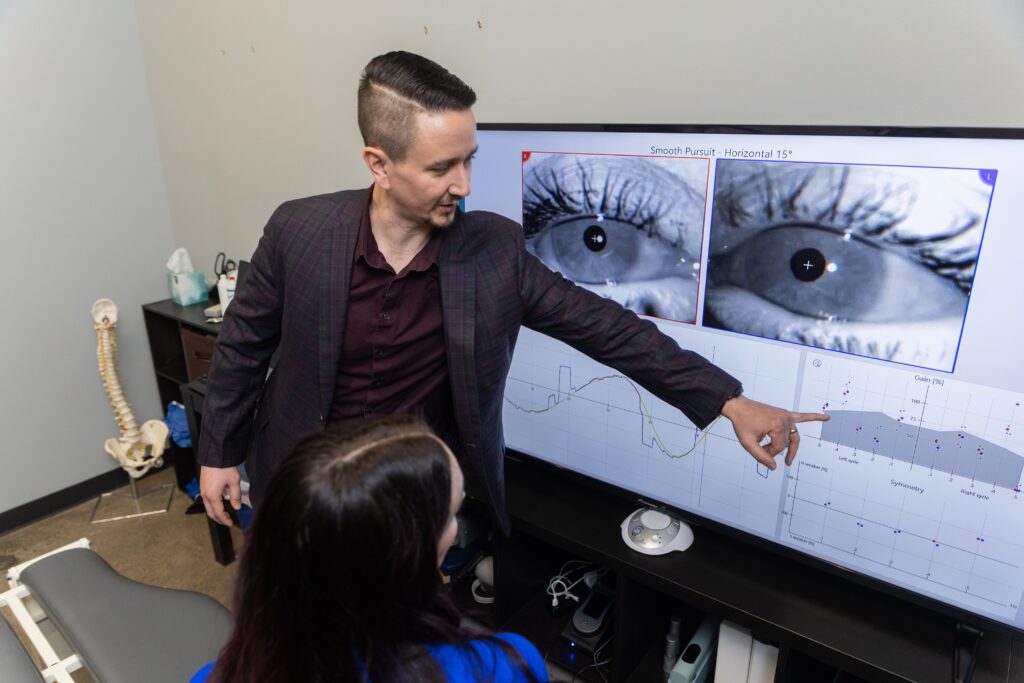
Surprisingly, 6 out of the top 7 car accident symptoms match concussion symptoms—even when you didn’t hit your head. Neck pain, dizziness, eye strain, nausea, headaches… all signs of nervous system disruption.
That’s why we often recommend starting with a clinic that specializes in post-trauma neuro care—like ours.
We work with:
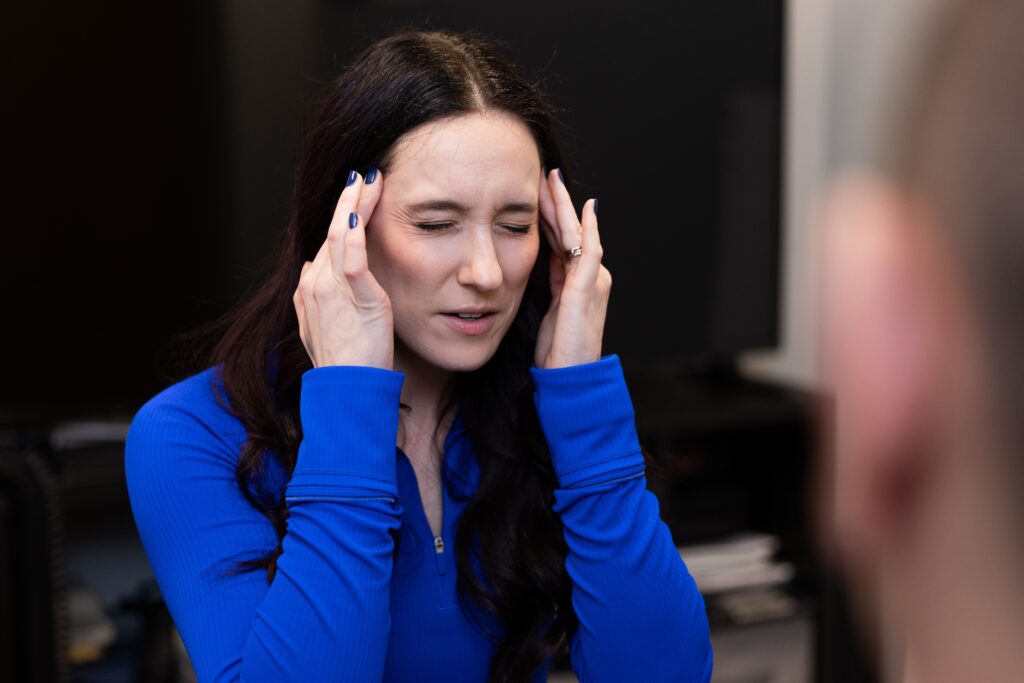
Post-accident headaches can stem from many sources: the neck, the brain, the vestibular system, even your eyes.
That’s why effective treatment starts with one question:
“What’s causing your headache?”
We assess multiple systems and treat accordingly—whether that’s in-house or through a referral.
Our process begins with an in-depth consultation and testing from multiple clinical disciplines. Based on your symptoms, you may receive:
Vestibular and visual system testing
Postural, neurologic, and autonomic function screening
Targeted therapy in a cohesive, multi-symptom plan
Whether your pain is physical, neurologic, or both—we’ll help you understand what’s driving it and how to move forward.
“I was still getting dizzy and sick weeks after my accident. This was the first place that actually looked at all of my symptoms—and treated them together.”
— MVA patient, 2023
Book a free 30-minute consult with one of our doctors. We’ll help uncover what’s really going on and what treatment path makes the most sense.
Further Reading:
Q: What types of injuries do you treat after a motor vehicle accident?
We treat a wide range of accident-related injuries, including whiplash, concussions, neck pain, back pain, nerve irritation, dizziness, headaches, shoulder injuries, and symptoms related to nervous system dysregulation.
Our goal is to identify what was injured, what’s not healing properly, and what your body needs to feel stable again.
Q: Why do symptoms sometimes appear days or weeks after an accident?
After a collision, the body releases stress hormones that can temporarily mask pain. Inflammation and neurological changes may show up later, leading to delayed symptoms like headaches, stiffness, dizziness, or mobility issues. This is why early evaluation — even if you “feel fine” — is always recommended.
Q: What makes your clinic different from standard accident care or chiropractic?
We take a neurological, whole-person approach focused on restoring function, not just reducing pain.
Many car accidents create subtle changes in the brain and autonomic nervous system. We evaluate these deeper patterns and create a personalized plan to improve mobility, coordination, balance, and long-term recovery.
Q: What happens at my first visit after a car accident?
Your first visit includes a detailed history of the accident, a neurological and structural assessment, and a discussion of your symptoms.
We identify which areas were impacted, how your nervous system is responding, and what treatment will help you recover as efficiently and safely as possible.
Q: How soon after a car accident should I get evaluated?
Ideally, as soon as possible — even within the first 24–72 hours. Early care helps reduce inflammation, prevent chronic pain patterns, and document your injuries for insurance. If symptoms started later, it’s still important to be assessed quickly so they don’t worsen.
Q: Do you treat patients who have already seen another provider or ER?
Yes. Many patients come to us after visiting urgent care, the ER, or another clinic but still experiencing pain, dizziness, headaches, or mobility issues.
We build on what’s already been done and provide a more detailed functional and neurological evaluation to support a full recovery.
Q: Can neurological symptoms — like dizziness, brain fog, or headaches — come from auto accidents?
Absolutely. Even minor collisions can affect the brainstem, vestibular system, and cervical spine.
This can lead to dizziness, headaches, visual strain, balance issues, trouble concentrating, or increased anxiety.
Our approach specifically evaluates these systems and targets rehabilitation to help them recover.
Q: What treatments do you offer for motor vehicle accident injuries?
Treatment may include functional neurology, vestibular rehabilitation, soft-tissue work, gentle structural correction, movement retraining, and targeted exercises to restore coordination and stability. Your plan is tailored to your specific injuries and healing timeline.
Q: How long does it take to recover after a car accident?
Recovery varies based on the severity of the accident, pre-existing conditions, and whether neurological systems were affected.
Some patients feel better within weeks, while others require more comprehensive care. Our goal is to help your body heal fully — not just mask symptoms.
Q: Do you accept auto insurance for car accident treatment?
Yes. We work with auto insurance and personal injury protection (PIP) claims. Most auto insurance policies cover necessary post-accident treatment, even if you were at fault. Our team helps you understand your benefits so you can focus on healing.
Q: Do I need a referral before using auto insurance for treatment?
In most cases, no referral is needed for auto accident care. You can contact us directly, and we’ll help verify your insurance benefits and guide you through your next steps.
